Top First Aid Tips for Parents and Caregivers
Accidents can happen in the blink of an eye, especially when it comes to children. As a parent or caregiver, being prepared for emergencies is crucial. Knowing basic first aid can make a significant difference in how you respond to injuries or illnesses. This guide will provide you with essential first aid tips to help you feel more confident and capable in handling emergencies.
Understanding the Basics of First Aid
First aid is the initial assistance provided to someone who is injured or ill. It can be life-saving and is often the first step in ensuring that the person receives the proper medical attention they need. Here are some key concepts to understand:
The ABCs of First Aid
Airway: Ensure the person's airway is clear. If they are unconscious, tilt their head back slightly to open the airway.
Breathing: Check if the person is breathing. If not, be prepared to perform CPR.
Circulation: Look for signs of circulation, such as movement or coughing. If there are none, continue with CPR.
Assessing the Situation
Before providing first aid, assess the situation. Ask yourself:
Is it safe for you to approach?
What happened?
How many people are involved?
What are the visible injuries?
Common Injuries and How to Treat Them
Cuts and Scrapes
Cuts and scrapes are common, especially among active children. Here’s how to treat them:
Clean the wound: Rinse the cut under clean water to remove dirt and debris.
Apply antiseptic: Use an antiseptic wipe or solution to disinfect the area.
Cover the wound: Use a sterile bandage or adhesive strip to protect the cut.
Burns
Burns can occur from hot surfaces, flames, or chemicals. Treat burns as follows:
Cool the burn: Run cool (not cold) water over the burn for at least 10 minutes.
Cover the burn: Use a sterile, non-stick bandage to cover the area.
Seek medical help: For severe burns, seek professional medical assistance immediately.
Sprains and Strains
Sprains and strains can happen during play or sports. Here’s how to manage them:
Rest: Encourage the child to rest the injured area.
Ice: Apply ice wrapped in a cloth to reduce swelling for 15-20 minutes.
Compression: Use an elastic bandage to wrap the injured area snugly but not too tight.
Elevation: Keep the injured limb elevated to minimize swelling.
Choking: What to Do
Choking is a serious emergency that requires immediate action. Here’s how to respond:
Assess the situation: If the child can cough or speak, encourage them to continue coughing to dislodge the object.
Perform back blows: If the child cannot breathe, give five firm back blows between the shoulder blades with the heel of your hand.
Abdominal thrusts: If back blows don’t work, perform abdominal thrusts (Heimlich maneuver) by standing behind the child, placing your arms around their waist, and thrusting inward and upward.
Recognizing and Responding to Allergic Reactions
Allergic reactions can range from mild to severe. Here’s how to recognize and respond:
Signs of an Allergic Reaction
Hives or rash
Swelling of the face, lips, or tongue
Difficulty breathing
Nausea or vomiting
What to Do
Administer antihistamines: If the child has a known allergy, give them their prescribed antihistamine.
Use an EpiPen: For severe reactions, use an EpiPen if available. Inject it into the outer thigh and seek emergency help immediately.
Call for help: If symptoms worsen, call emergency services right away.
When to Seek Professional Help
While many injuries can be treated at home, some situations require professional medical attention. Here are signs that you should seek help:
Severe bleeding that doesn’t stop
Signs of infection (redness, swelling, pus)
Unconsciousness or confusion
Difficulty breathing or chest pain
Preparing Your First Aid Kit
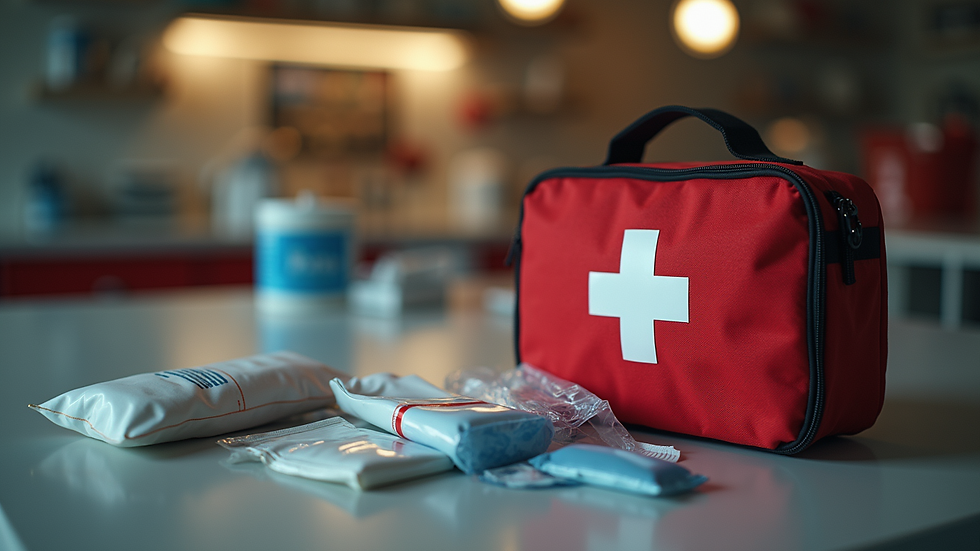
Having a well-stocked first aid kit is essential for any parent or caregiver. Here’s what to include:
Adhesive bandages in various sizes
Sterile gauze pads and adhesive tape
Antiseptic wipes or solution
Tweezers and scissors
Disposable gloves
Pain relievers (appropriate for children)
Thermometer
Instant cold packs
Burn cream or gel
Regular Maintenance
Check your first aid kit regularly to ensure that supplies are not expired and that you have everything you need. Replenish items as necessary.
Teaching Children About First Aid
It’s never too early to start teaching children about basic first aid. Here are some ways to involve them:
Role-playing: Create scenarios where they can practice what to do in case of an injury.
Discuss safety: Talk about the importance of being safe while playing and how to respond if someone gets hurt.
Encourage responsibility: Let them help with the first aid kit and explain what each item is used for.
Conclusion
Being prepared for emergencies is a vital part of parenting and caregiving. By understanding basic first aid principles and knowing how to respond to common injuries, you can help ensure the safety and well-being of the children in your care. Remember, the key to effective first aid is staying calm, assessing the situation, and acting quickly. Equip yourself with knowledge, and you’ll be ready to handle any emergency that comes your way.
Take the time to review these tips and consider taking a first aid course to further enhance your skills. Your preparedness can make all the difference in an emergency.
Comments